Exploring the psychological triggers that influence gambling behavior in casinos
The Thrill of Anticipation
The anticipation of a big win is a powerful psychological trigger for many gamblers. When players enter a casino, they often experience a rush of excitement that is amplified by the bright lights, sounds, and vibrant atmosphere. This adrenaline-fueled environment serves to heighten their emotions, encouraging them to take risks and place bets. Interestingly, for those looking to explore the online scene, Aviator Game Canada offers a unique crash game that perfectly encapsulates this thrill. The psychological phenomenon known as the “near-miss” effect often plays a significant role here; when players come close to winning but ultimately lose, it can create a sense of hope that they are just one bet away from a jackpot.

Furthermore, this anticipation can lead to a cycle of behavior where players continually gamble in the hopes of recapturing that initial thrill. The constant barrage of stimuli found in casinos, such as flashing slot machines and cheering players, reinforces the excitement and compels gamblers to stay engaged, often leading to longer gaming sessions.
The Role of Social Influence
Gambling is not merely an individual pursuit; it is often a social activity that can be significantly influenced by peer behavior. Casinos capitalize on this by creating environments that foster social interaction among players. The presence of others can enhance the excitement of gambling, making individuals more likely to place bets they might otherwise avoid. This social dynamic is powerful; when one person wins, it can lead to a cascade effect where others feel compelled to follow suit, believing that fortune might strike them next.
Moreover, the desire for social acceptance can impact decision-making in gambling settings. Individuals may take more risks if they perceive that their peers are doing the same, leading to a collective risk-taking behavior that can have both positive and negative outcomes. This interconnectedness illustrates how social factors can modify personal gambling behaviors, sometimes resulting in increased spending and risk.
Cognitive Dissonance and Rationalization
Cognitive dissonance plays a significant role in how gamblers justify their actions. When individuals lose money, they may struggle with feelings of regret and guilt. To alleviate these negative emotions, they often create rationalizations for their behavior. For instance, they might convince themselves that their losses are merely a temporary setback or that their next bet will bring success. This rationalization not only helps them cope with their losses but also encourages them to continue gambling despite negative outcomes.
Gamblers often employ various mental strategies to maintain a positive outlook. They may focus on their past wins, convincing themselves that their luck will change soon. This mental gymnastics can lead to a cycle of gambling that is hard to break, as the desire to win becomes intertwined with the need to justify their ongoing participation in gambling activities.
The Influence of Environment and Design
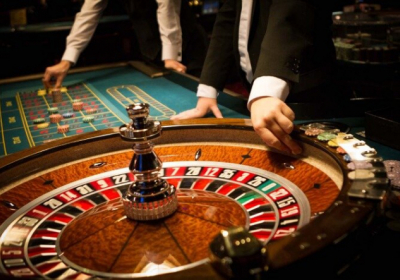
The physical design of casinos is meticulously crafted to influence gambling behavior. From the layout of games to the sound and light settings, every detail is designed to engage and stimulate players. Casinos often lack windows and clocks, creating a disorienting effect that makes it difficult for players to gauge time, encouraging them to stay longer and play more. This strategic design plays on the psychology of immersion, ensuring that players are fully absorbed in their gambling experience.
Additionally, the placement of high-stakes games near popular attractions can lead to impulse betting. When players witness others winning, it can trigger a strong emotional response, prompting them to participate in high-risk activities. This interplay between environment and behavior illustrates how psychological triggers are not only mental but also deeply influenced by the surrounding physical elements in casinos.
Understanding Online Gambling Trends
As the gambling landscape evolves with technology, understanding the psychological triggers that influence behavior in online casinos has become essential. Games like the Aviator Game provide a unique experience that combines strategy with risk, appealing to both novice and experienced players. The fast-paced nature of such games can enhance excitement and lead to impulsive decisions, mirroring traditional gambling behaviors.
Online platforms also leverage social features, such as leaderboards and community interactions, to replicate the social influence seen in physical casinos. By integrating these elements, online casinos effectively tap into the psychological triggers that drive engagement, making it crucial for players to be aware of their behaviors and motivations in this digital landscape.